September 30, 2026
10 min
Dental AI agents can screen patient inquiries by treatment need, urgency, insurance, and location, handing your front desk only booking-ready leads.
December 17, 2025
8 min
Discover how AI chatbots enhance after-hours dental care by triaging emergencies, boosting patient engagement, and increasing appointment bookings.
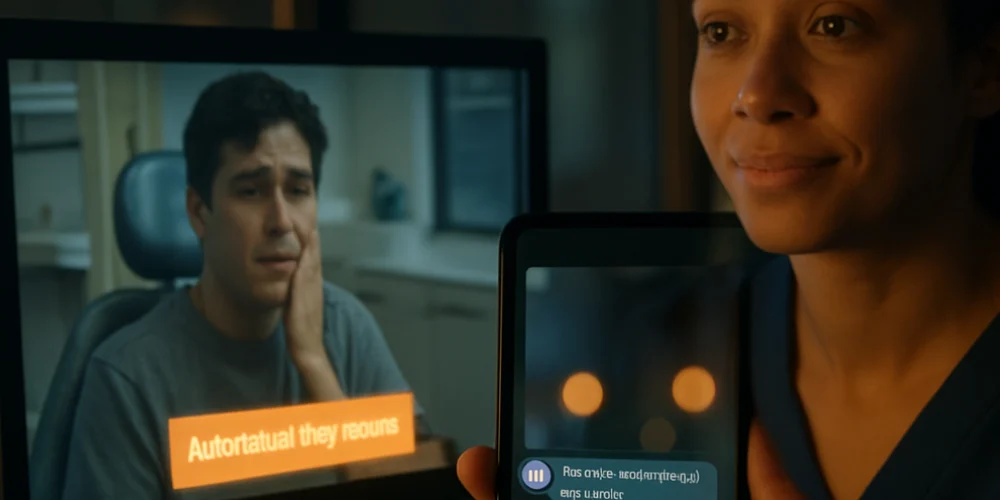
If you’re running a dental practice, there are moments, usually when no one’s around, when anxious patients reach out, and you’re left wishing you had a way to respond. If you weave AI chatbots into your after-hours workflow, you don’t just automate tasks; you get a stream of leads, improve safety, and deliver on that crazy ambition of “always open” healthcare, all without burning out your staff. This is a hands-on look at rolling out these bots: how to set up emergency flows that won’t get you sued, log inquiries back into your analytics, pick vendors who don’t play fast and loose with HIPAA, and see if the whole thing moves the needle on revenue and staff sanity. In a sentence: After-hours dental chatbots, configured for genuine emergencies and plugged straight into your marketing and compliance stack, are the modern answer to the late-night patient, and the unseen ROI queue.
Put aside the hype. The real gains of an AI-powered web chat for dental practices aren’t abstract. You get a bot that can do emergency triage (for real, it can flag actual red flags), collect detailed contacts and symptoms, and leave a record to surface in the morning. Now, instead of letting website visitors disappear into the void, your bot nudges them toward becoming patients.
All this: always-on, always catching leads, always a better experience for the patient, and you move a little closer to an automated, self-tuning dental front desk.

First, confirm your PMS/EHR doesn't block you. In practice, best-in-class setups link via open APIs (see Dentrix G5+/G6 or Open Dental bridges). If direct integration is closed, use a connector, a $99-per-instance Open Dental → GoHighLevel sync is standard. Most robust stack: a cloud-hosted bot plus secure API middleware (if you’re tight on PHI bulletproofing, private cloud is on the table).
Never, ever skip the BAA. Encryption must be default, TLS 1.2+/1.3 in transit, AES-256 at rest. Only allow role-based access, require multifactor, demand immutable logs, insist on routine pentesting. Leading AI toolkits, ChatGPT Enterprise, Claude API, and Google Gemini, already sign BAAs but verify every subprocessor and ask for SOC 2/ISO paperwork.
Hard code what triggers escalation (major bleeding, trouble breathing, rapidly swelling face), this is both for safety and for lawyers. Log every handoff, full transcript, and stamp it back into your CRM/PMS (ConvertLens is one ex). SLAs must be real: critical notifications in under two minutes, and 99.9% uptime.
Don’t Deploy Without This: BAA signed, all encryption required, role/multifactor access, minimal PHI flow, every interaction logged, routine pen tests, and staff HIPAA training.
Ignore flashy checklists. Ask hard questions about legal, technical, and economic fit, before you sign anything or run the first pilot. Use the step guide as your “what does it do” filter, but ask for proofs on all the below.
Will my staff become obsolete?
No. Bots triage and book after hours, but pass anything non-routine to humans. Think “force multiplier,” not “replacement.”
HIPAA, how do I stay safe?
Get a vendor who’ll sign a BAA; everything encrypted. Demand logs, role-based access, regular security checks, and check if downstream subprocessors comply. Latest: ChatGPT Enterprise, Claude API, Gemini offer BAAs (as of 2025).
What triggers 911?
Red flags: uncontrolled bleeding, breathing/swallowing issues, facial swelling spreading fast, big trauma, altered consciousness. Escalate these cases, don’t second-guess.
Web chat or SMS, which comes first?
Web chat grabs first-time visitors, fast conversions. SMS for known patients keeps follow-up alive. SMS wins for read rates, Podium says 98%+; that's hard to ignore.
How do I know if this is working?
Track: response times, how many new appointments after hours, live call reductions, conversion-to-visit, channel ROI, dashboards required.
The bot messed up; what then?
Default to conservative escalation, log every case, and run QA reviews. False negatives are bad; use every incident as a tuning moment.
Cost and timeline?
For smaller shops, 4–8 weeks from start to shipped. Price varies: subscription + integration, or pay-per-conversation. Third-party integrations (like Open Dental → CRM) add about $99/month per instance. Plan for setup and connector fees.
The reason to deploy after-hours dental chatbots is grounded, not magical: they make practices more accessible, safer for patients, and convert otherwise wasted late-night clicks into real leads. Lean on web chat and SMS to provide true 24/7 service. Set strict escalation for emergencies, wire your bot into your lead-tracking stack (CRMs like ConvertLens), and don’t stop measuring. Get a vendor who signs BAAs and has the escalation flows dialed in. This isn’t about replacing your team, it’s about better experience, smarter front desks, and ROI that shows up long after closing time.


September 30, 2026
10 min
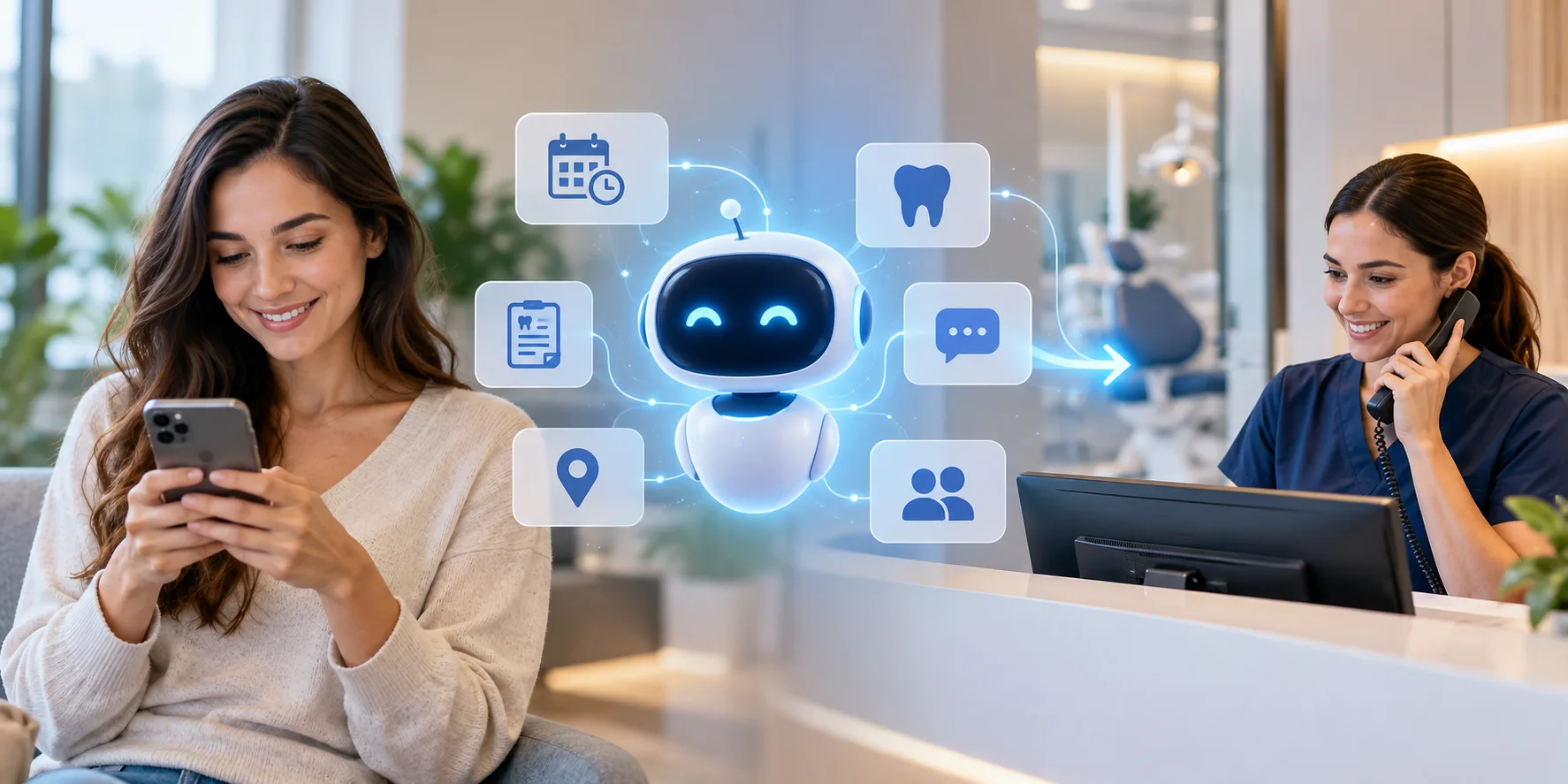
Dental AI agents can screen patient inquiries by treatment need, urgency, insurance, and location, handing your front desk only booking-ready leads.
September 27, 2026
8 min
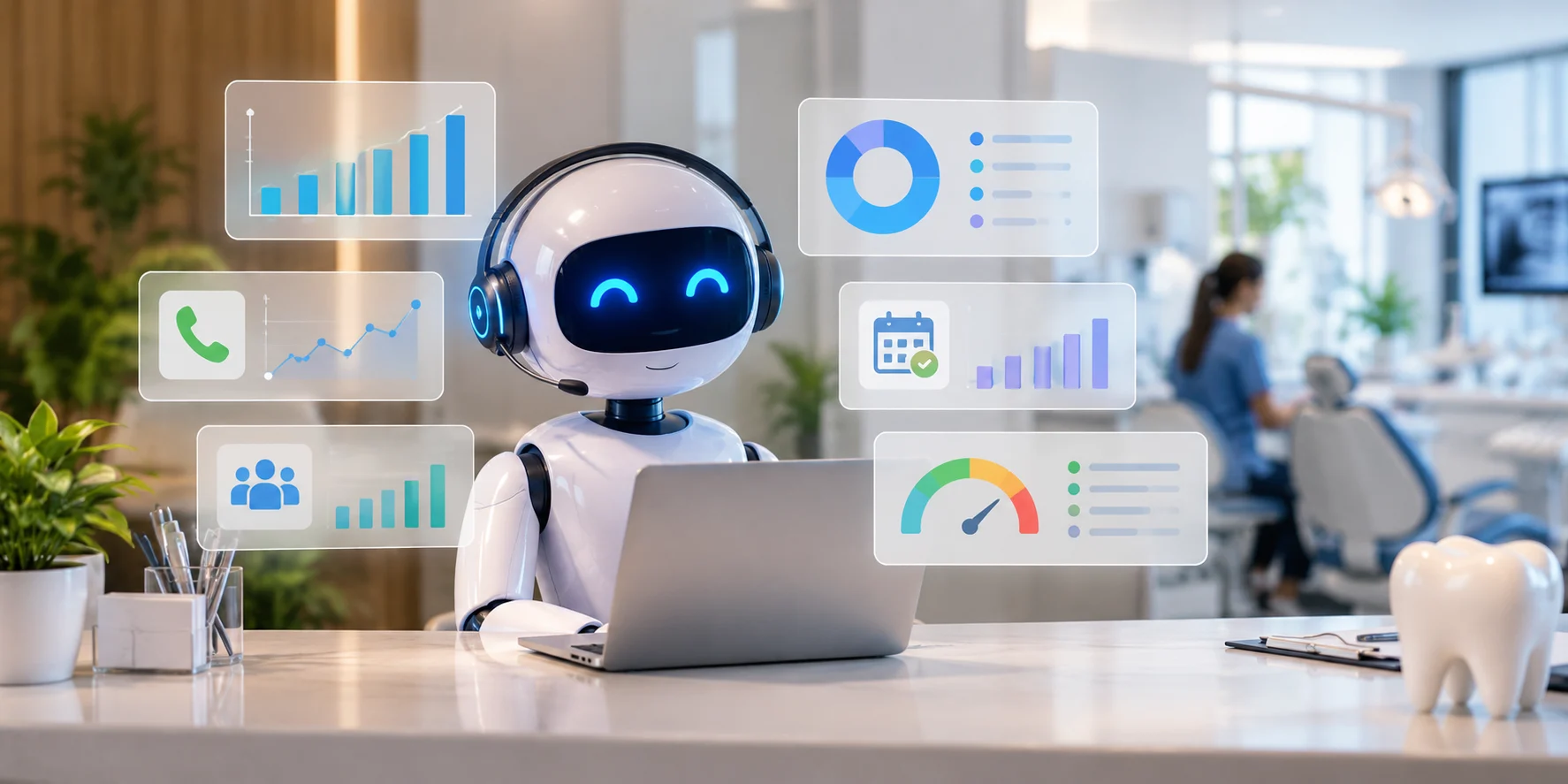
See the 10 key KPIs dental practices should track for AI receptionists, including call resolution, booking rates, cost per appointment, and ROI.
September 24, 2026
6 min
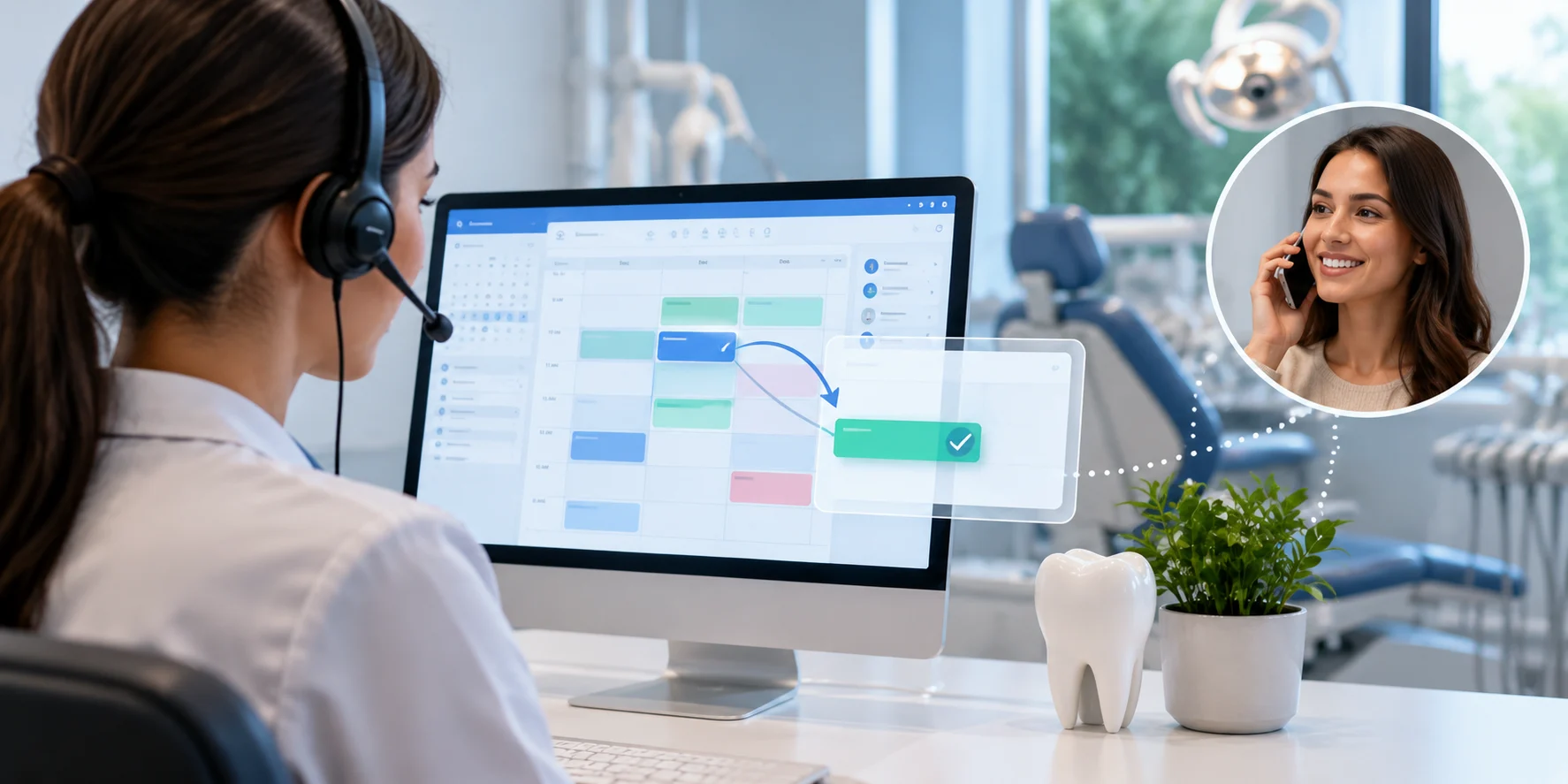
An AI receptionist checks real-time schedules, matches providers and rooms, and confirms before updating, helping dental practices reschedule appointments without double-booking.
Sign Up Now & Someone from Our Team Will Be in Touch Shortly!
Use the form below to send us a message, and we’ll get back to you as soon as we can.
.webp)
Track every marketing dollar and optimize patient conversions with ConvertLens. Gain valuable insights from your campaigns, ensuring you never miss a potential patient. Maximize ROI and grow your practice effortlessly.
-p-500.webp)