September 30, 2026
10 min
Dental AI agents can screen patient inquiries by treatment need, urgency, insurance, and location, handing your front desk only booking-ready leads.
December 17, 2025
8 min
Explore actionable strategies for dental clinics to operationalize patient data, enhancing workflows, improving patient care, and optimizing clinic performance.

When people talk about "operationalizing patient data" in dental clinics, they usually mean something vague or oversold. But underneath the buzzwords, the core idea is simple: take patient information, scattered across clinical software, marketing platforms, and practice tools, and turn it into repeatable, honest-to-goodness workflows that make real things better. Better diagnosis, fewer wasted appointments, more accepted cases, smoother operations. This isn't something you do in a weekend; it's a program, not a project. Here’s a roadmap: start by assessing and prioritizing, set up practical governance, build and connect systems, actually pilot and train, and only then scale and tune. Think of it as a manual for solo dentists through DSOs: pragmatic, stepwise, and grounded in the technical and social realities of clinics.
Operationalizing patient data sounds intimidating, like something only hospitals or tech giants can do. But good ideas scale down. Below is a step-by-step process, a playbook shaped by how clinics actually run, which you can follow and adapt. Each phase has real-world activities, what ‘done’ looks like, and how long it might take (assuming no one’s out for vacation or a hurricane hits your city). Treat this not as a checklist, but as a set of habits; iterate it as you learn.
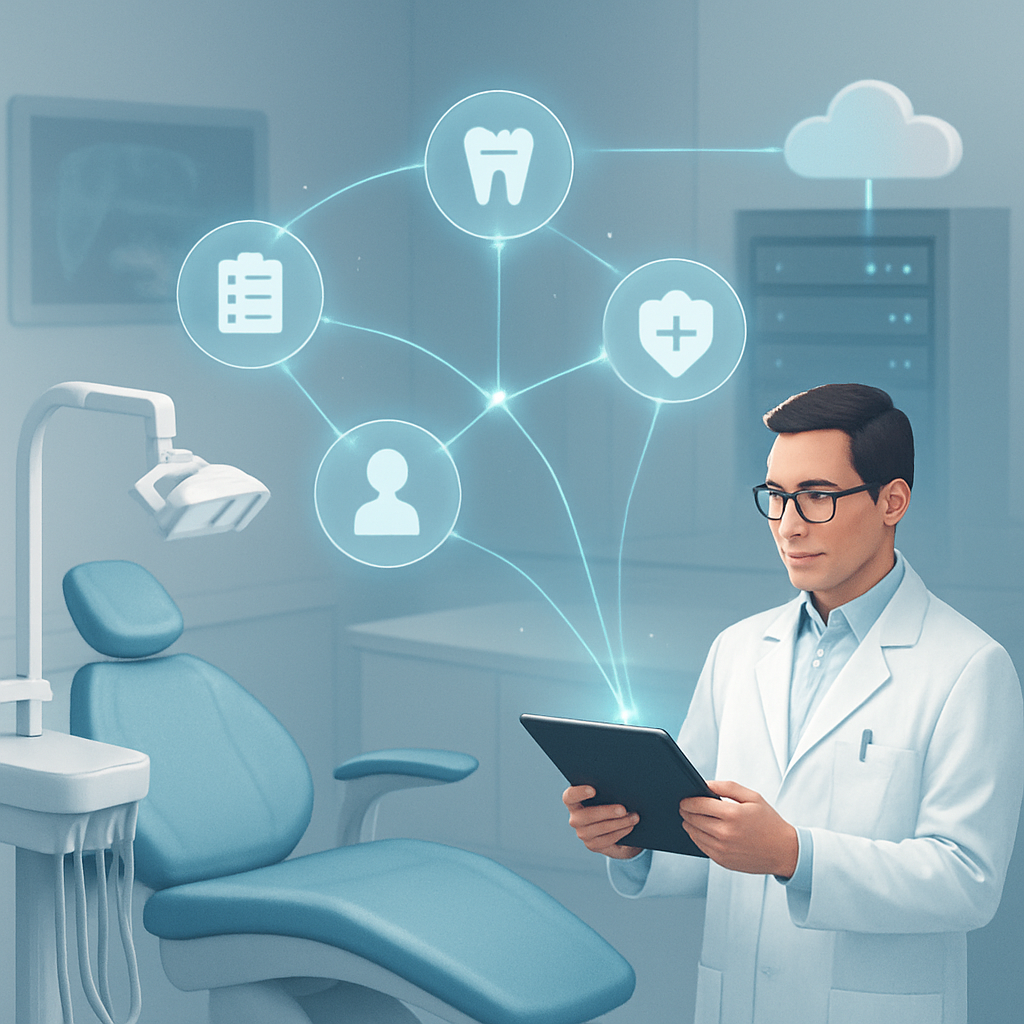
If you want data to improve care and not just pile up, you need it to move between systems, without breaking and without requiring three IT staffers and a prayer. Here’s what matters for most dental clinics.
Duplicate patients are the weed that keeps coming back: studies report that nearly 60% of duplicates show middle name mismatches, and over half have SSN errors. Start an EMPI or master data management strategy now. To prevent chaos, standardize how you capture information at intake, and use probabilistic matching where deterministic fails.
The right combination of integrations, matching, and validation lets you spend less time fixing records and more time making decisions, while keeping the whole process auditable, predictable, and aboveboard.
KPIs That Matter: If you can’t measure it, you won’t improve it. The trick is picking a handful that clinicians and managers actually use. Try: time-to-chart (per visit, in minutes), no-show and cancellation rates, percent of appointments kept, chair utilization, case acceptance, charting errors, revenue per chair, and marketing ROI (cost per new patient, conversion, channel efficiency). Most dashboards (Databox, Jarvis) will at least show new patients, production, collections, and case acceptance.
Change Management: What Actually Works: Adult learning isn’t about all-day lectures. The literature is clear: break training into small modules, use simulation, and pick ‘clinician champions’, people who already have credibility at the practice. Brief, measurable adoption scorecards help identify where people get stuck. Involve your clinicians in workflow design; if you don’t, they’ll find workarounds and you’ll lose momentum.
Vendor Selection: The Unsexy Due Diligence
Real-World Signals (Not Just Theory): In the wild, clinics piloting HbA1c screenings in dental settings found 49% of subjects with elevated values, suggesting vast clinical relevance if you actually harness new data. Matching errors are the rule, not the exception: middle name mismatches (~58%) and SSN errors (~53%) are rampant, and Johns Hopkins notes every fifth patient might be missing records due to identity breakdowns. Operationalization works best when you standardize up front, otherwise you’ll spend years patching old leaks. See recent policy updates on reimbursement methodology for FQHCs and RHCs.
What does “operationalize patient data” mean for a dental clinic?
It means making data usefully available and reliable throughout your workflows, clinical, operational, and marketing, so real people can make faster, better decisions with less guesswork. The whole goal is interoperability, consistency, and auditability across tools.
Which systems should I integrate first?
Start where chaos lives: Practice Management → EHR/EDR → Scheduling. These drive your appointment book, billing, and most bottlenecks. Nail these, and the rest are easier.
How do I extract data from an EDR with no APIs?
Bulk export is best (CDM, CSV). When that fails, use controlled screen-scraping + OCR, just be sure to validate everything by hand at first. Always normalize into a modern model (like FHIR) and expect to catch a lot of mismatched identities during the move.
What governance roles do I need for a small clinic?
Three minimum: data steward for quality, privacy/security point for all contracts and BAAs, and a clinician champion to make sure workflows tie back to patient care, not just IT.
How do HIPAA rules affect analytics and AI?
Absolute bare minimum: only use what’s necessary, make vendors sign BAAs, and de-identify data wherever possible. Always track provenance, from raw data to model output, and be ready for an audit.
What KPIs prove operationalization is working?
Case acceptance, no-show rate, charting speed, revenue per chair, lead-to-booked conversion, marketing ROI. If these aren’t moving, revisit your assumptions.
What drives cost, and how soon does ROI show?
Main costs: integration complexity, imaging storage, EMPI tools, vendor contracts, and (neglected) user training. Most see small-pilot ROI inside 90-180 days; large practices take longer.
How do you get clinical staff actually using it?
Don’t dump 40-page manuals on clinicians. Rely on local champions, bite-sized training, and design input from day one. Clinician buy-in is the real key, force doesn’t work, participation does.
How do you vet marketing/lead platforms like ConvertLens?
Confirm PMS integration is real (not theoretical), robust lead-to-patient matching, transparent AI scoring, customizable workflows, and BAA in place. Big CRM brands (Pega, Zoho, Salesforce Health Cloud, PlanPlus Online) have BAA options, but always dig into their security and integration docs before sending any PHI their way. For product-specific details, see ConvertLens.
The way forward isn’t buying a miracle tool, but building repeatable, standards-driven workflows, combining the strengths of health informatics, solid governance, and engineering that respects local constraints. Start with a narrow pilot (one pain point: no-shows, recalls, lead conversion) and make sure consents and BAAs are buttoned up before commingling marketing and clinical data. Mix the best standards (FHIR, DICOM) with realistic hacks (OCR, validation) to bridge gaps in legacy systems. With a thoughtful, metrics-driven approach, even the smallest clinic can turn isolated records and marketing noise into clear, actionable decisions, improving care, safety, and the business all at once.



September 30, 2026
10 min
Dental AI agents can screen patient inquiries by treatment need, urgency, insurance, and location, handing your front desk only booking-ready leads.
September 27, 2026
8 min
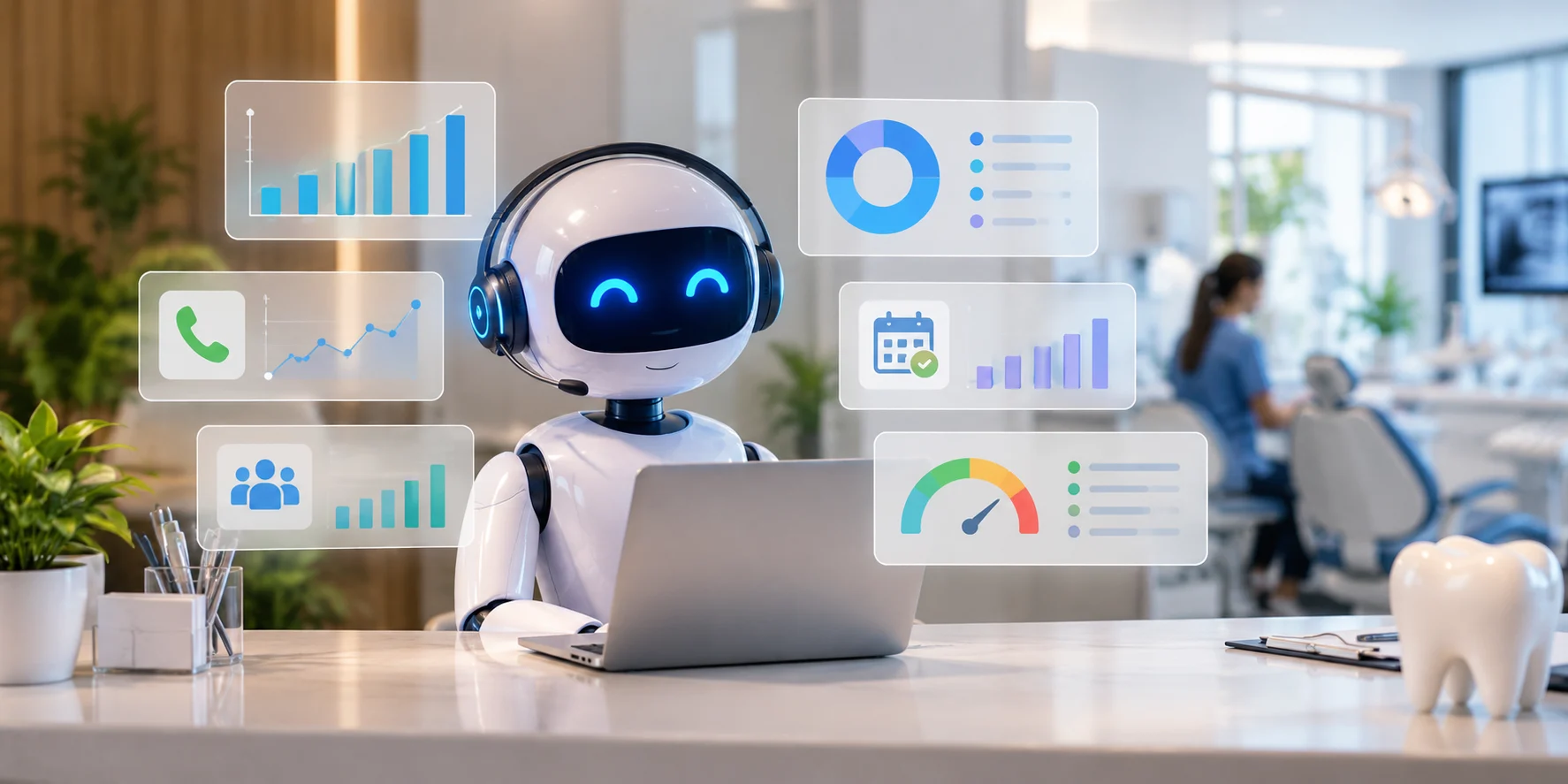
See the 10 key KPIs dental practices should track for AI receptionists, including call resolution, booking rates, cost per appointment, and ROI.
September 24, 2026
6 min
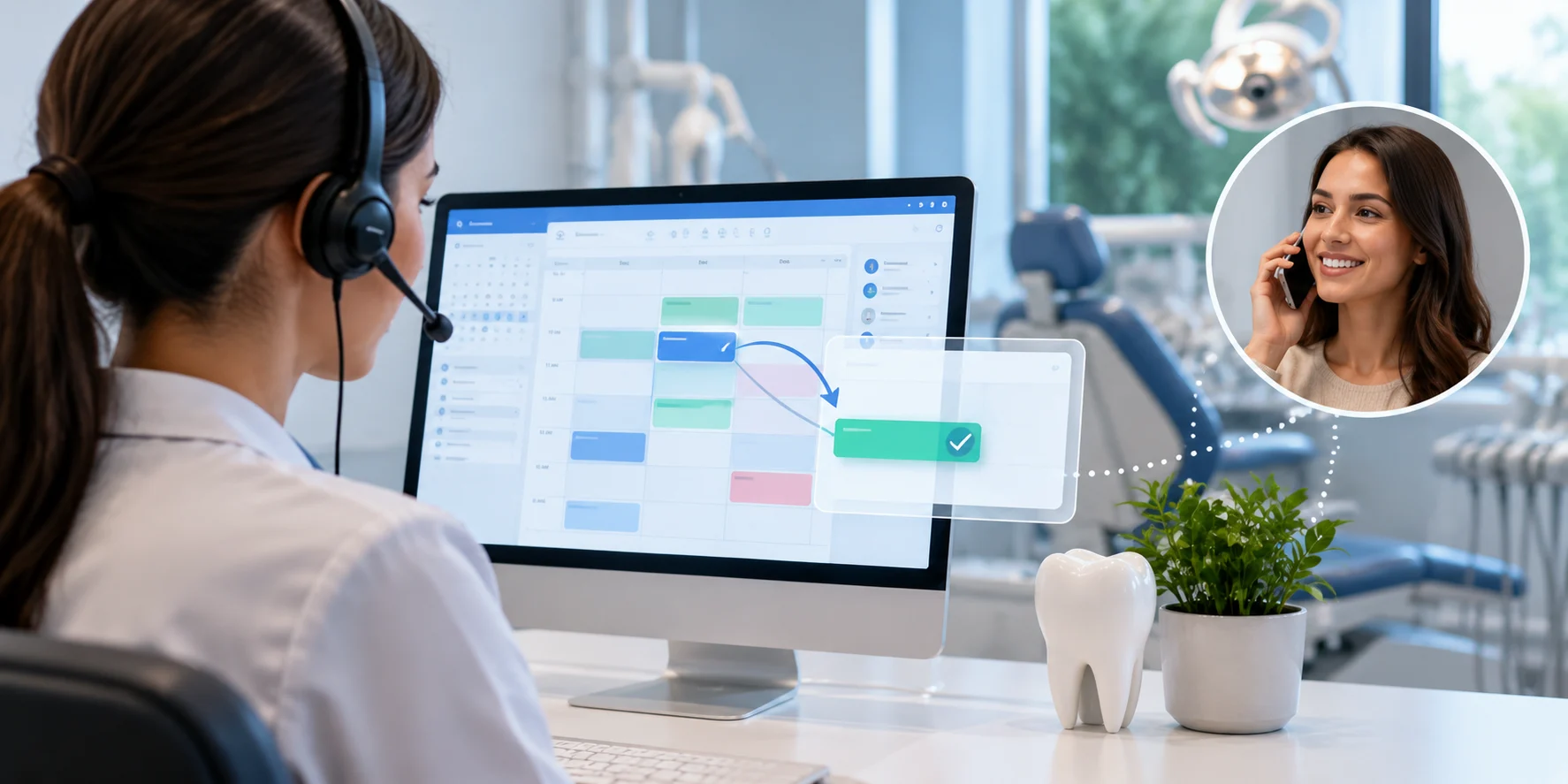
An AI receptionist checks real-time schedules, matches providers and rooms, and confirms before updating, helping dental practices reschedule appointments without double-booking.
Sign Up Now & Someone from Our Team Will Be in Touch Shortly!
Use the form below to send us a message, and we’ll get back to you as soon as we can.
.webp)
Track every marketing dollar and optimize patient conversions with ConvertLens. Gain valuable insights from your campaigns, ensuring you never miss a potential patient. Maximize ROI and grow your practice effortlessly.
-p-500.webp)