September 2, 2026
6 min
Discover the key metrics orthodontists can use to track leads, consultations, treatment starts, marketing costs, and ROI for smarter growth decisions.

June 6, 2026
7 min
Use call tracking for PPC to capture keyword data from phone calls, bridge the offline attribution gap, and directly connect paid clicks to real backend business revenue.
You know the feeling all too well. Your Google Ads dashboard shows a beautiful 4.0% click-through rate, cost-per-click is down, and conversion pixels are firing. On paper, your paid campaigns are crushing it.
But when you sync with your client—or the dental clinic owner you represent—they ask the one question that makes your stomach drop: "We got 40 calls last week, but how many actually booked a $3,000 dental implant?"
If you cannot connect that $3,000 revenue milestone back to a specific keyword, your campaign optimization is essentially guesswork. Over the last decade managing high-intent paid media campaigns for medical and service-based businesses, I have watched agencies lose massive accounts not because their ads failed, but because their tracking did.
In high-touch industries, the modern buyer journey does not end on a thank-you page. It starts with a phone call. To scale profitability, you must use call tracking for PPC to attribute paid leads to revenue.
If you only have 30 seconds, here is the bottom line up front (BLUF) on why implementing call tracking is no longer optional for advanced digital marketers:
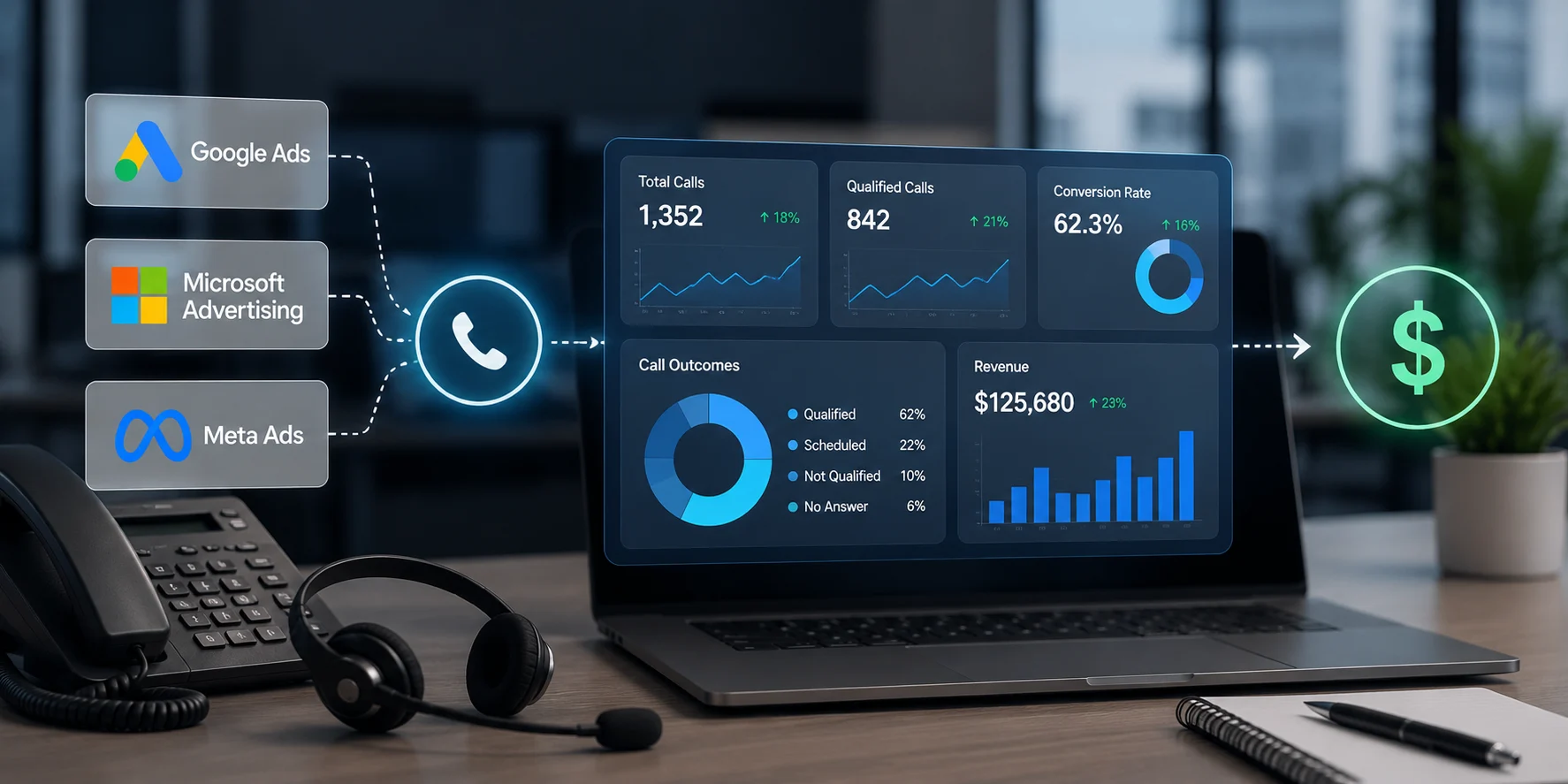
Let's start with a foundational clarity. Call tracking for PPC is a technology that assigns unique, trackable phone numbers to users based on how they interacted with your paid advertisements.
Think of it as a digital breadcrumb trail. Instead of displaying the same static office phone number to every visitor, dynamic number insertion (DNI) swaps the phone number on your landing page in real time.
When a visitor clicks an ad, a script replaces the phone number with a unique dynamic number tied to that user's specific session. When they dial, the software routes the call seamlessly to the main business line while logging the exact keyword, ad creative, campaign, and click identifier (like Google’s GCLID) that triggered the interaction.
Most intermediate marketers rely solely on standard conversion tracking. They track form submissions or clicks on a phone number link. But tracking a click-to-call layout is a vanity metric; it only tells you someone tapped a button, not if the call lasted 10 seconds or 20 minutes.
Without deeper visibility, you run into the optimization blind spot. Imagine Keyword A and Keyword B both generate 10 leads.
Keyword A: 10 Form Fills ──> $500 Ad Spend ──> 0 Sales Closed ($0 Revenue)Keyword B: 10 Phone Calls ─> $500 Ad Spend ──> 4 Premium Packages ($12,000 Revenue)
If you only track digital forms, your dashboard tells you to kill Keyword B and pour money into Keyword A. In reality, you are suffocating the single biggest revenue driver in your account. To truly track phone calls from PPC ads, you have to look beyond the initial ring.
Organizations that also monitor appointment booking outcomes gain an even clearer view of which calls ultimately translate into revenue-generating patient visits.
To build a closed-loop attribution system that connects downstream money back to upstream clicks, you need to follow a structured deployment strategy.
Choose a robust PPC call tracking software solution (such as CallRail, Invoca, or native tracking within marketing hubs like Highlevel or CRM tools like Buddder). Install their JavaScript snippet across your entire website or landing page infrastructure. This script handles the automated swapping of your phone numbers based on traffic source.
Avoid using a single static number for all Google Ads traffic. Instead, utilize a "number pool"—a small cluster of rotating local or toll-free numbers. When a user lands on your site via a paid ad, they are assigned a unique number from this pool for the duration of their session, ensuring precise keyword-level data mapping.
True magic happens when you sync your call data down to your core CRM or patient management platforms (like Statlight or industry-specific tools). Set up integrations so that when a representative updates a lead's deal status or marks a job as "closed-won," that revenue value maps directly back to the unique call ID.
You should also connect call attribution insights with broader scheduling performance metrics to identify bottlenecks between lead generation and patient booking.
The stakes of tracking calls are exceptionally high in the dental and healthcare sectors. If you are running call tracking for dental PPC, you aren't just trying to lower your cost-per-lead; you are hunting for high-value treatments like clear aligners, dental implants, and full-mouth reconstructions.
Dental practices operate on localized, immediate needs. A patient with an agonizing toothache or someone looking to invest thousands in cosmetic dentistry wants to speak to a human immediately to gauge comfort and availability.
By integrating your call tracking platform with dental CRMs, your marketing data can show that a specific local search campaign targeting "emergency dentist near me" directly caused three root canal bookings totaling $4,500 in practice revenue. This definitive proof shifts the conversation with clinic owners from "What am I paying you for?" to "How quickly can we increase the budget?"
While highly effective, sophisticated tracking systems do introduce specific friction points that advanced strategies must account for:
Another critical issue is the revenue lost from unanswered phone inquiries, which can significantly distort campaign performance reporting and ROI calculations.
Running modern advertising campaigns without precise attribution is like driving a race car with a blindfold on—you might feel the speed, but you have no idea where you are heading.
Implementing call tracking for PPC eliminates guesswork. It transforms your marketing department from an opaque cost center into a transparent revenue engine. By capturing granular keyword data and mapping it directly to closed business, you gain the precise insights needed to scale campaigns aggressively, maximize client retention, and confidently attribute paid leads to revenue.
Modern enterprise software uses asynchronous JavaScript snippets. This means the script loads seamlessly in the background without blocking or delaying the visual rendering of your critical landing page elements.
As a general rule of thumb, your number pool size should scale relative to your peak concurrent website traffic from paid sources. For most mid-sized local campaigns or specialized healthcare clinics, a pool of 4 to 8 active numbers provides clean session isolation without bleeding budgets.
Yes, provided you choose an enterprise-grade platform that signs a Business Associate Agreement (BAA). Top-tier providers offer robust compliance features including automated data encryption, strict access controls, and automatic redaction of sensitive patient health information (PHI) from audio call recordings.



September 2, 2026
6 min
Discover the key metrics orthodontists can use to track leads, consultations, treatment starts, marketing costs, and ROI for smarter growth decisions.
August 31, 2026
8 min
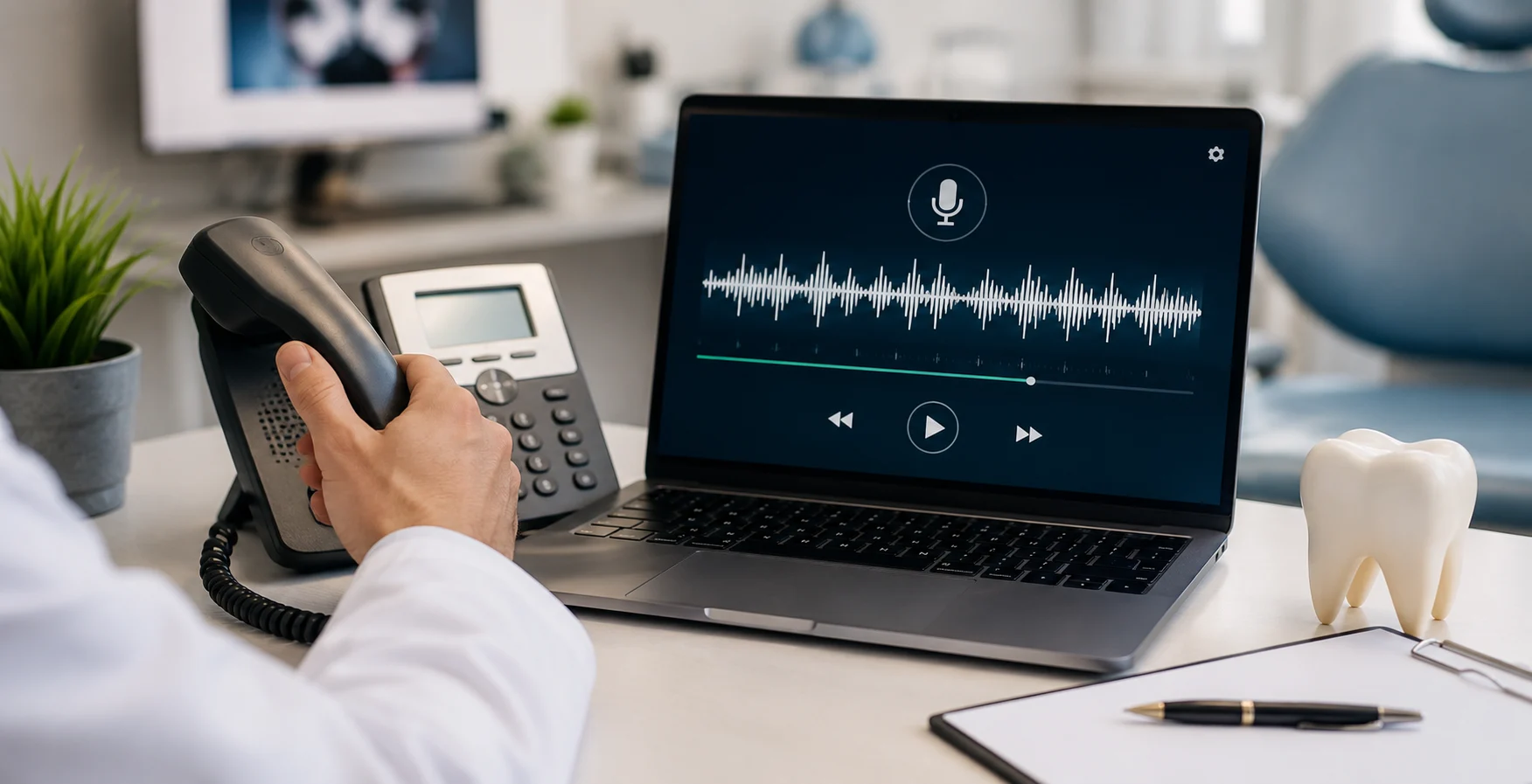
Call recordings help dental practices uncover missed booking opportunities, improve patient communication, train front desk teams, and connect calls to revenue.

August 31, 2026
8 min
Learn how after-hours patient communication helps dental practices stay responsive, support patients, capture bookings, and reduce front desk pressure.
Sign Up Now & Someone from Our Team Will Be in Touch Shortly!
Use the form below to send us a message, and we’ll get back to you as soon as we can.
.webp)
Track every marketing dollar and optimize patient conversions with ConvertLens. Gain valuable insights from your campaigns, ensuring you never miss a potential patient. Maximize ROI and grow your practice effortlessly.
-p-500.webp)