October 7, 2026
5 min
Missed-call text-back vs. AI receptionist for dental practices: what each handles, when each wins, and which recovers more booked appointments.
February 27, 2026
5 min
Explore essential strategies for effective dental market segmentation in 2026. Understand key practices to enhance targeting and growth.
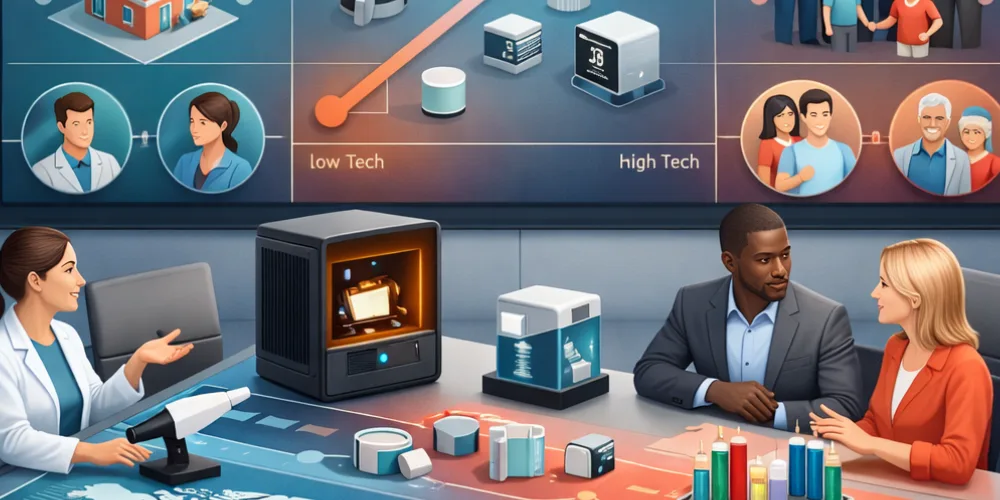
This is a no-nonsense guide to dental market segmentation for 2026. We'll walk through why segmentation is foundational, frameworks for actually carving up the market into real, not theoretical, groups, practical ways to measure and map opportunity, persona-centric go-to-market practices, the tools worth understanding, metrics that matter, and a FAQ that's actually short. The aim: coordinate how you build, sell, and deliver product and technology across the sprawling dental industry.
Segmentation, in the dental context, just means: how do you take a blob (the market), and break it into pieces that actually let you do something? The world of dental in 2026 sprawls, materials, hardware, consumables, software, and services, and the global market is ballooning into the tens of billions. But unless you can name and understand your segments, by age, procedure, location, technology, mindset, you’re flying blind. With segmentation, you stop talking in platitudes and start targeting. That’s why this guide exists.
What changes in 2026? Growth splits along familiar patterns: North America continues to own the largest share in most categories; Europe is defined by mature systems and reimbursement; Asia-Pacific and big swathes of Latin America are still the fastest-growing. Middle East & Africa and the rest of Latin America: these are expansion plays, often linked to dental tourism and increasing service capacity.
Segmentation isn’t just PowerPoint strategy:
Set Objectives
Turn “grow revenue” or “launch a product” into measurable goals (ex: penetration of new implant system in X DSOs, Y% increase in cosmetic case volume, adoption numbers by clinic type). Without numbers and timelines, nothing changes.
Gather Data, But Sanely
Analyze With Rigor (Cluster, Score, Blend with AI)
Don’t overcomplicate: cluster analysis, RFM (see LRFM extension), scoring by size/tech, then (if you have ML capabilities) use AI models to spot anomalies or “invisible” segments, especially in imaging or software adoption.
Size and Prioritize
Don’t fish everywhere. Stack rank by market size, willingness-to-pay, and “easy to convert now.” If you hit diminishing returns in established regions, hunt for fast-growing, tech-hungry markets.
Validate With Pilots
A/B test messaging (especially for digital leads or teledentistry), trial new offers within PMS or CRM flows, use intermediaries. Track unit economics (lead cost, conversion, new patients) obsessively.
Refine Your Playbook
Nail down how pricing, channel, and partner strategies vary by segment: e.g., direct for high-value imaging, distributors for “commodity” biomaterials, SaaS for clinics scaling fast. Build, don’t overengineer, persona-driven comms and double-down where your pilots work.
If all this segmentation doesn't land in better sales, it's trivia. Build from segments to personas that are real: Who are your buyers, what do they want, where do you reach them, and how do you pitch?
Direct for expensive imaging, CBCT and specialized AI; distributor model for commodity products (biomaterials, simple hardware); subscription models for software. Partner up, prosth manufacturers, DSOs, labs are multipliers if you want scale.
Don't just watch gross revenue. Track conversions, ARPU at the clinic level, retention, lead-to-appointment speed, and real cost-per-acquisition. Integrate data (call-tracking, PMS, marketing attribution, see ConvertLens as an example) so you can see what works channel by channel, not just in retrospect.
Your advantage comes from superior data. Start with the major market reports, MarketsandMarkets, Fortune Business Insights, Mordor Intelligence, RootsAnalysis, Grand View Research, especially for bone grafts, biomaterials, 3D printing, and imaging. Add clinic-level data: procedure registries, payer claims, PMS/EHR exports, DSO sales patterns. Blend with specifics: which clinics do which procedures, with what adoption rate of digital tools.
What is dental market segmentation?
Practically: breaking the market into groups that act the same, so you can target products and services that fit, and actually sell more.
Devices vs. Services, Which Segments Matter Most?
Devices/biomaterials: Focus on clinical/firmographic and digital adoption. Services/software: Behavioral types, practice size, and mindset.
How do I size a niche like bone grafts or 3D printing?
Do a hybrid model: industry CAGR, clinic/procedure data, ARPU estimates. Reports say $1.4B for bone grafts and $5B for 3D printing in 2026. Use as your upper boundary, validate downward.
Best data for procedure-level segments?
EHR/PMS exports, registry data, payer claims, industry reports, and DSO back-office feeds.
Should I segment by digital adoption?
Absolutely. The intraoral scanner/CBCT axis is a strong indicator for new tech and product uptake, with $0.9B+ markets by 2026.
What can AI really do for segmentation?
Cluster analysis, imagery phenotype, clinic value prediction, lead scoring. Example: ConvertLens for marketing, VideaHealth for digital imaging, AI finds what humans typically miss in big clinics' or labs' data.
Marketing benchmarks?
Expect cost-per-lead ~$65 in U.S. (2024 data), sometimes higher on paid channels. Always check cost-per-appointment, channel ROI, especially if routing through automated PMS or CRM.
Which KPIs prove segmentation is working?
Segment ARPU, adoption, procedure uplift, CAC/LTV, SOM by region, lead/appointment pipeline flow. For marketing, cost-per-lead/appointment and channel ROI, track religiously.
Key takeaway: You win in dental by combining procedural/clinical insights, firmographics, and an unblinking sense for where digital is being adopted. Let analytics and AI sharpen your focus, but decide based on the market’s actual shape, then act on what your segmentation reveals, not what last year’s playbook said.


October 7, 2026
5 min
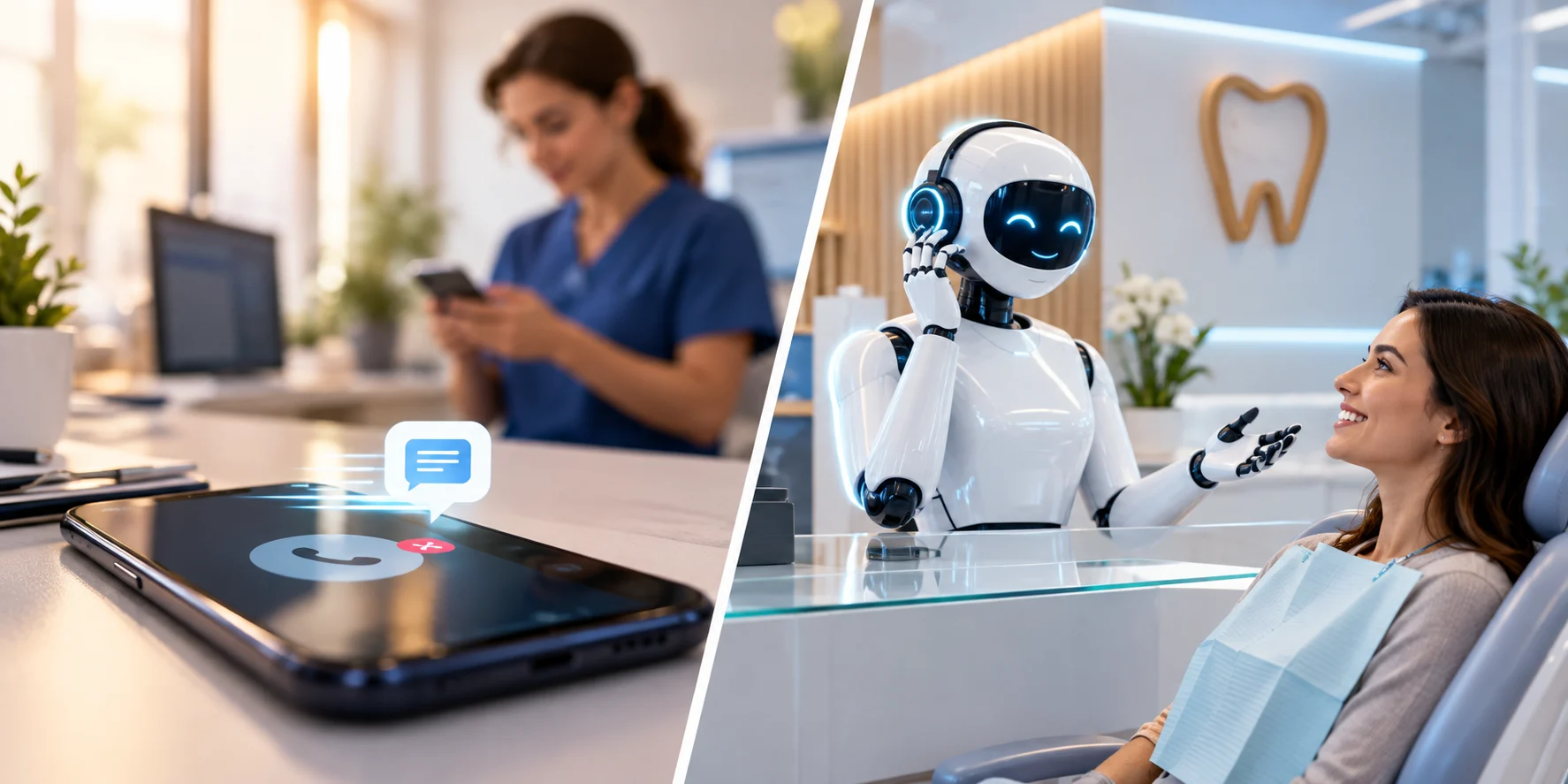
Missed-call text-back vs. AI receptionist for dental practices: what each handles, when each wins, and which recovers more booked appointments.
October 7, 2026
7 min
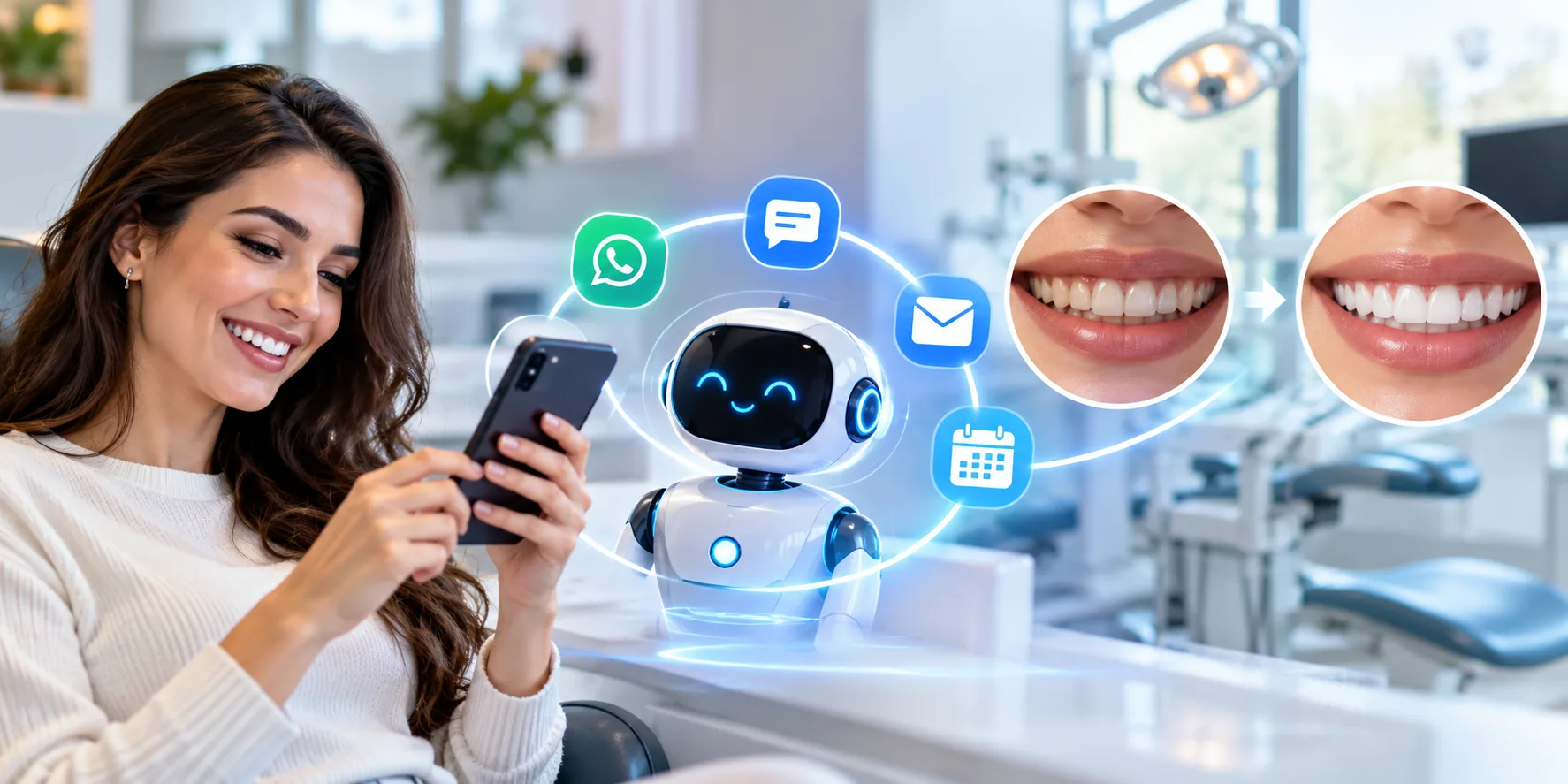
AI follow-up helps cosmetic dental practices respond faster, reduce no-shows, and convert more high-intent veneer and Invisalign leads into booked consultations.

September 30, 2026
8 min
Slow lead follow-up can silently drain your dental marketing budget. See where enquiries fall through the cracks and how faster response recovers lost patient value.
Sign Up Now & Someone from Our Team Will Be in Touch Shortly!
Use the form below to send us a message, and we’ll get back to you as soon as we can.
.webp)
Track every marketing dollar and optimize patient conversions with ConvertLens. Gain valuable insights from your campaigns, ensuring you never miss a potential patient. Maximize ROI and grow your practice effortlessly.
-p-500.webp)