October 7, 2026
5 min
Missed-call text-back vs. AI receptionist for dental practices: what each handles, when each wins, and which recovers more booked appointments.
February 27, 2026
9 min
Explore key strategies for enhancing dental cybersecurity. Protect your practice with practical tips, templates, and compliance insights for safeguarding ePHI.

This isn’t another vague cyber "awareness" blog post. If you own or help run a dental practice, whether as an owner, the unofficial IT person, or the one tasked with compliance headaches, this is for you. What follows is not only a way to think about cybersecurity in dental practices but also the actual steps, templates, checklists, a method for assessing vendors (even those CRM/marketing tools your sales rep can’t explain), and concrete estimates for what takes time and money. By the end, you’ll see how to track the flow of ePHI, make your network and endpoints less brittle, set rational backup targets, scrutinize vendor claims, and, most importantly, build and test an incident response playbook that will pass muster when HIPAA comes knocking.
The Real Target: Whether run by a handful of practitioners or a mid-sized multi-op, dental practices are ePHI warehouses surrounded by always-on devices, PACS, imaging workstations, and the chairside PC with the sticky note password, an ideal mark for attackers. Unlike hospital IT, dental clinics can’t hide behind an army-sized technical staff, so every risk reduction maneuver must prioritize both operational up-time and manageable complexity.
Ransomware and phishing dominate. If you think dental clinics fly under the radar, ask Universal Health Services: one ransomware attack, $67 million in losses. Dentistry-specific incidents occur too; see one documented 2023 dental school attack for an example: In August 2023 a Midwest dental school was the victim of a major cybersecurity attack. Healthcare at large, and smaller shops in particular, see roughly a third of employees clicking simulated phishing links, and anti-phishing tools themselves let about 7–10% of real threats slip through. And when these breaches happen, they often expose the same patterns found in common dental HIPAA violations, weak access controls, missing encryption, poor documentation, and vendor blind spots. Regulators saw the writing on the wall, witnessing late 2024’s HHS proposal, which would make vulnerability scanning and network segmentation requirements, not just best practices. Encryption? It’s no longer optional.
Build the muscle of “data before convenience,” and you’ll both lower your exposure to new threats in dentistry and maintain the thing patients value most: trust.
Dental cybersecurity aligns tightly with compliance, especially HIPAA and HITECH. What looks like legalese (risk assessment, policies, BAAs, documentation, breach notification) is actually a rational risk management workflow. You have to hit these markers: keep detailed logs and risk assessments for at least six years; anticipate state breach rules that may accelerate timelines; and, if 2024’s NPRM passes, formalize what’s been “addressable” until now, including asset inventories, vulnerability scans twice a year, annual pen-testing, robust encryption, and disaster recovery game plans capable of restoring access within three days.
Treat these steps as non-negotiable infrastructure for keeping out of breach headlines and as the set of things that, if done well, keep your cyber risk tractable and auditors happy.
Below is your conversion checklist, a rough map of what to do and in roughly what order. Each move has an explicit priority, ballpark effort, and cost and directs you to the highest-leverage actions you probably aren’t doing yet.
What to really do:
Priority: Essential; Effort: Moderate, Cost: Low to moderate.
To execute:
Priority: Essential; Effort: Moderate, Cost: Moderate
Concrete moves:
Priority: Essential; Effort: Moderate, Cost: Low to moderate.
Practical steps:
Priority: Essential/Important, Effort: Low to moderate, Cost: Low to moderate.

Real incident response for dental clinics means more than having a phone list taped under the monitor. Instead, it’s about being able to detect, contain, eradicate, and recover fast, while keeping both patient safety and compliance in clear focus.
If you buy cyber tools the way you buy dental chairs or imaging systems (brand-first, demo-second, price-third), you’ll regret it. Use the following to build a procurement process grounded in substance: prioritize BAAs, test integrations, and demand operational proof, not just feature lists.
And remember, cybersecurity doesn’t live in a silo. It intersects with reporting, forecasting, and operational visibility. Strong protection combined with structured analytics strengthens revenue intelligence in dental practices by ensuring the data you rely on for growth decisions is accurate, intact, and secure.
How is dental cybersecurity unique compared to general healthcare IT?
Dental-specific ePHI lives on EHR/PMS, imaging/PACS, chair-side workstations, and an explosion of new CRM/marketing platforms. Smaller teams and non-standard workflows mean you must weigh vendor risk management and segmentation with a lighter touch and more skepticism.
Where’s the real risk in a typical dental practice?
Your critical EHR/PMS, imaging consoles, payment and scheduling, and outside marketing/CRM add-ons. Each can be a vector for leaks or breaches, especially with poorly managed integrations.
How fast must I act in a breach under HIPAA?
Notify individuals and HHS “without unreasonable delay,” translating to 60 days maximum for big breaches. Vendors (“Business Associates”) have to notify you just as quickly, so vet their timelines.
Is practical security even affordable for smaller dental clinics?
It is, if you stay focused. MFA, immutable backups, segmentation, and good staff awareness provide a major uplift. Use managed offerings for things like monitoring and backups; they scale pricing to small practices.
How often should backups be tested? And what RPO/RTO should be set?
Run full restore tests quarterly; don’t trust “good” backups until you test. Targets: RPO ≤ 4 hours, RTO ≤ 8 hours for key PMS/EHRs. Yours may vary, but these are no longer considered aggressive goals.
What KPIs matter for staff training?
At least 90% completion rate, 0–5% phishing clickthrough, over 80% incident reporting, and tracking “time to report” (should be under an hour). Given that about one-third of people will click in simulations, don’t skip this step.
What critical questions should I ask vendors, especially marketing/CRM?
Is there a BAA? How exactly do you integrate with EHR/PMS and what data mapping is explicit? What kind of encryption is used, and is it real, not just “we promise”? Are there access controls, is AI/analytics data use documented, and how do you support incidents and evidence retention?
Any critical regulatory updates on the horizon?
Yes, Dec 2024’s HHS NPRM wants to formalize stronger cyber controls: encryption, consistent MFA, vulnerability scans twice a year, and yearly pen-testing. Watch OCR communications for final compliance dates.
Cybersecurity in dental practices isn’t abstract or optional. Start with an inventory and risk assessment; focus on the basics: multi-factor authentication, truly immutable/tested backups, network segmentation, and EDR. Operationalize incident response, run a tabletop, test your plan, document and drill the notification process for HIPAA. Score every vendor, especially CRMs and analytics, on their ability to prove controls, not just claim them. Institutionalize real awareness training and at least annual practice of incident response. These habits won’t just keep you out of trouble; they preserve patient trust and the hard-won integrity of your business when, not if, a threat comes your way.
The Three First Moves You Should Make This Week:


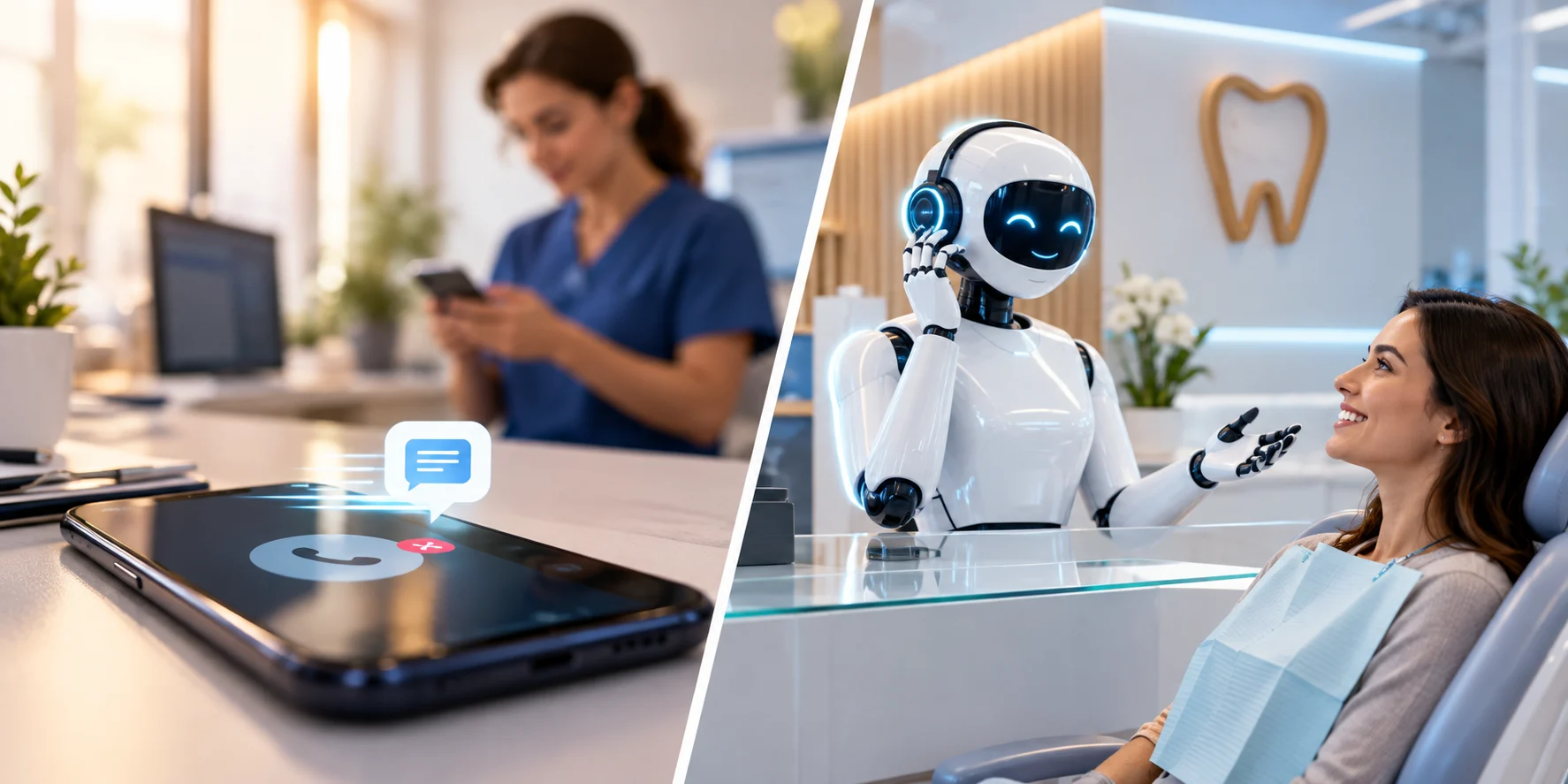
October 7, 2026
5 min
Missed-call text-back vs. AI receptionist for dental practices: what each handles, when each wins, and which recovers more booked appointments.
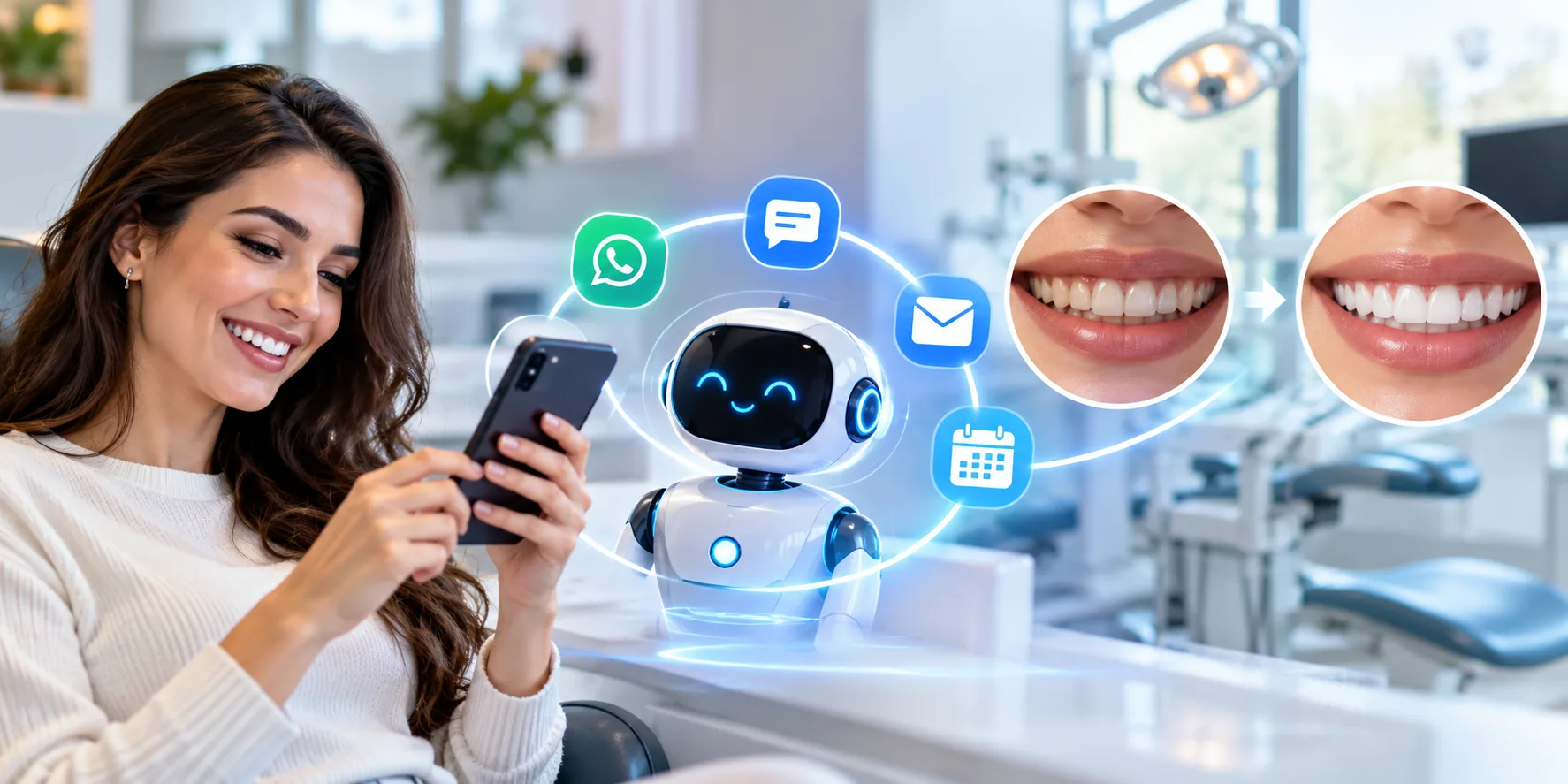
October 7, 2026
7 min
AI follow-up helps cosmetic dental practices respond faster, reduce no-shows, and convert more high-intent veneer and Invisalign leads into booked consultations.

September 30, 2026
8 min
Slow lead follow-up can silently drain your dental marketing budget. See where enquiries fall through the cracks and how faster response recovers lost patient value.
Sign Up Now & Someone from Our Team Will Be in Touch Shortly!
Use the form below to send us a message, and we’ll get back to you as soon as we can.
.webp)
Track every marketing dollar and optimize patient conversions with ConvertLens. Gain valuable insights from your campaigns, ensuring you never miss a potential patient. Maximize ROI and grow your practice effortlessly.
-p-500.webp)