October 7, 2026
5 min
Missed-call text-back vs. AI receptionist for dental practices: what each handles, when each wins, and which recovers more booked appointments.
October 7, 2026
7 min
AI follow-up helps cosmetic dental practices respond faster, reduce no-shows, and convert more high-intent veneer and Invisalign leads into booked consultations.
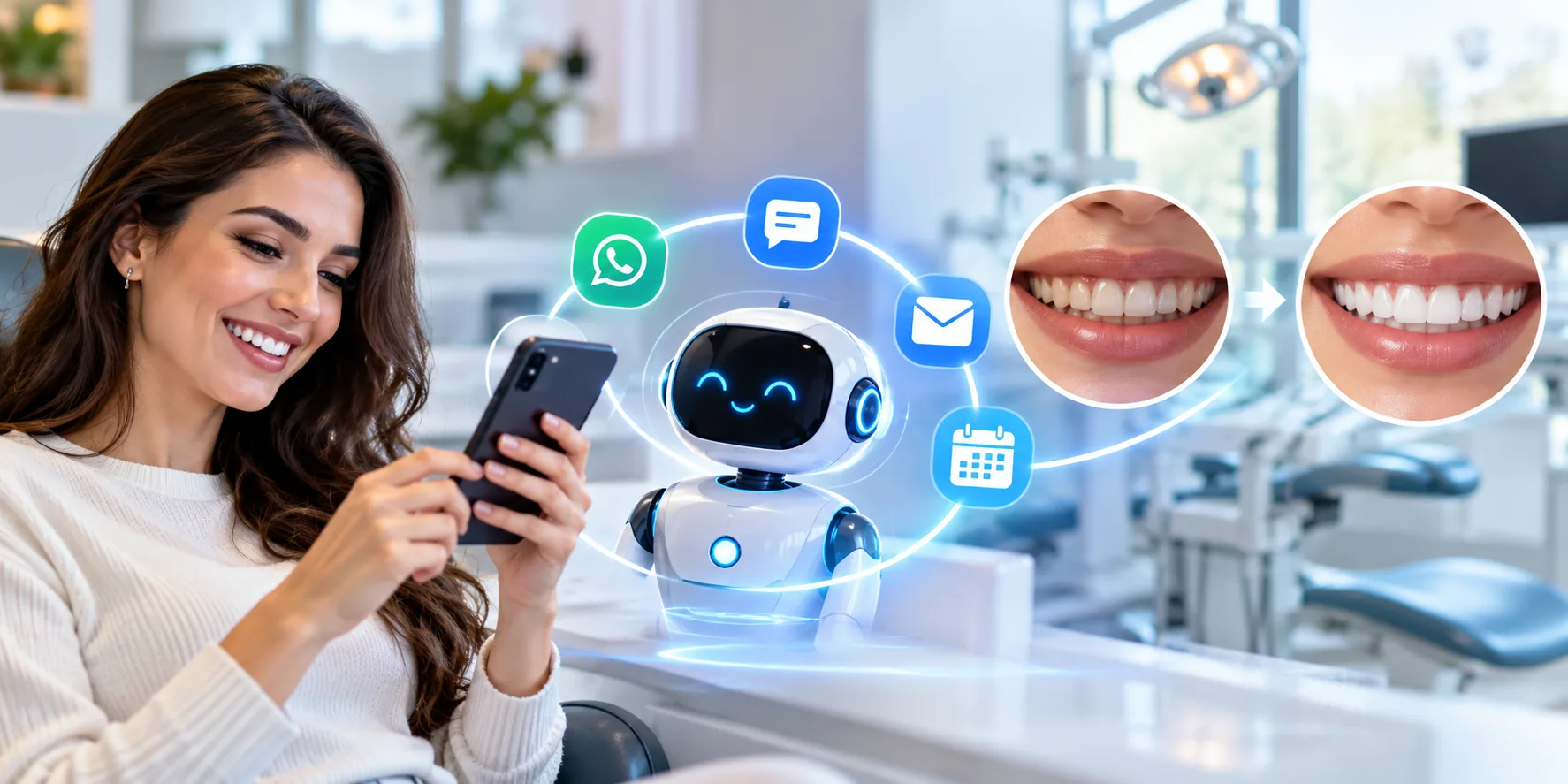
Cosmetic dentistry marketing targets a different kind of patient. Someone considering veneers, Invisalign, or a full-arch reconstruction is rarely making a snap decision. They may spend days exploring treatment options, studying smile transformations, checking what fits their budget, and deciding which dentist feels worth contacting. By the time they finally submit an inquiry, they have already done a lot of thinking. Losing that lead simply because the follow-up comes too late can be an expensive missed opportunity.
AI can help practices stay responsive during that crucial window. It can answer routine questions, respond to inquiries, gather useful patient details, and keep the conversation moving until a member of the dental team can step in. For cosmetic practices investing in high-intent leads, that extra responsiveness can help turn more inquiries into consultation opportunities.
In this blog, we’ll explore how AI follow-up can help cosmetic dental practices convert more high-intent leads in 2026.
In cosmetic dentistry, one inquiry can be worth considerably more than another. A routine hygiene appointment may bring a patient through the door once or twice a year. A veneer case, Invisalign treatment, or full-arch restoration can involve a much larger treatment plan and a longer relationship with the practice.
That changes how lead follow-up should be approached. Cosmetic enquiries often come with more questions around treatment suitability, expected results, pricing, financing, appointment timelines, and what the process actually involves. A patient may ask one question today and need three more answers before feeling ready to book.
The conversation also matters. “How much are the veneers?” can open the door to a much more useful discussion about the patient’s concerns, the type of result they are hoping for, and the next appropriate step. Good follow-up gives the team room to have that conversation instead of treating every inquiry like a simple appointment request.
For practices offering treatments such as:
The opportunity is often bigger than the initial inquiry suggests. A well-handled conversation can uncover the treatment need, answer the right questions, and move a curious patient closer to a consultation.
A high-intent cosmetic inquiry can start with a simple call, form submission, or message to your practice. What happens after that first touchpoint often determines whether your patient moves closer to a consultation or quietly drops away. Here are five points in the journey where a promising cosmetic lead can slip through.
When a patient reaches your front desk with a question about veneers, Invisalign, or another cosmetic treatment, timing matters. A delayed response can make the patient feel overlooked and gives them more time to continue their search elsewhere.
Your first response does not need to be complicated. It needs to be prompt, relevant, and useful. A timely conversation gives your team the chance to understand what your patient needs, answer initial questions, and make the next step feel straightforward.
Your front desk can be busy when a new patient calls. The team may be helping another patient, handling an urgent request, or simply be away from the phone after hours.
The missed call itself is only part of the issue. What matters is what happens afterward. If nobody follows up, your patient may assume the practice is unavailable and move on. A clear process for returning missed calls and responding to after-hours inquiries can keep those conversations from going cold.
A booked cosmetic consultation is an important step, but the appointment still needs to happen. Your patient may forget the date, need to rearrange their schedule, or hesitate as the appointment gets closer.
Thoughtful confirmations and well-timed reminders can help keep the appointment on track. Making rescheduling simple also gives your patient an easy way to stay connected with your practice instead of disappearing after a missed appointment.
Your patient has attended the consultation, discussed their concerns, reviewed the treatment options, and taken the treatment plan home. Then things go quiet.
“Let me think about it” does not always mean the patient has decided against treatment. They may need more time, have questions they did not ask during the consultation, or want to feel certain before making a significant decision. A considered follow-up gives your team another opportunity to understand what is holding the patient back and continue the conversation naturally.
Your CRM may contain patients who once inquired about veneers, implants, Invisalign, or another cosmetic service but never booked. Over time, those conversations can become buried beneath newer inquiries.
Some patients will have moved on, but others may still be interested and simply never found the right time to proceed. Reviewing eligible older leads and reconnecting with them thoughtfully can bring those conversations back into focus, without treating every old inquiry like a patient ready to book tomorrow.
Here’s how AI follow-up fits into the everyday rhythm of a busy dental practice.
When a patient submits a form about veneers, Invisalign, implants, or another treatment, AI can respond quickly instead of leaving the inquiry waiting in your inbox. It can acknowledge the inquiry, answer routine questions, collect useful details, and help move the conversation towards an appointment.
Your practice may close for the day, but patients can still be researching treatments and looking for answers. AI can stay available after hours to handle routine questions, share approved practice information, collect inquiry details, and help patients explore appointment options.
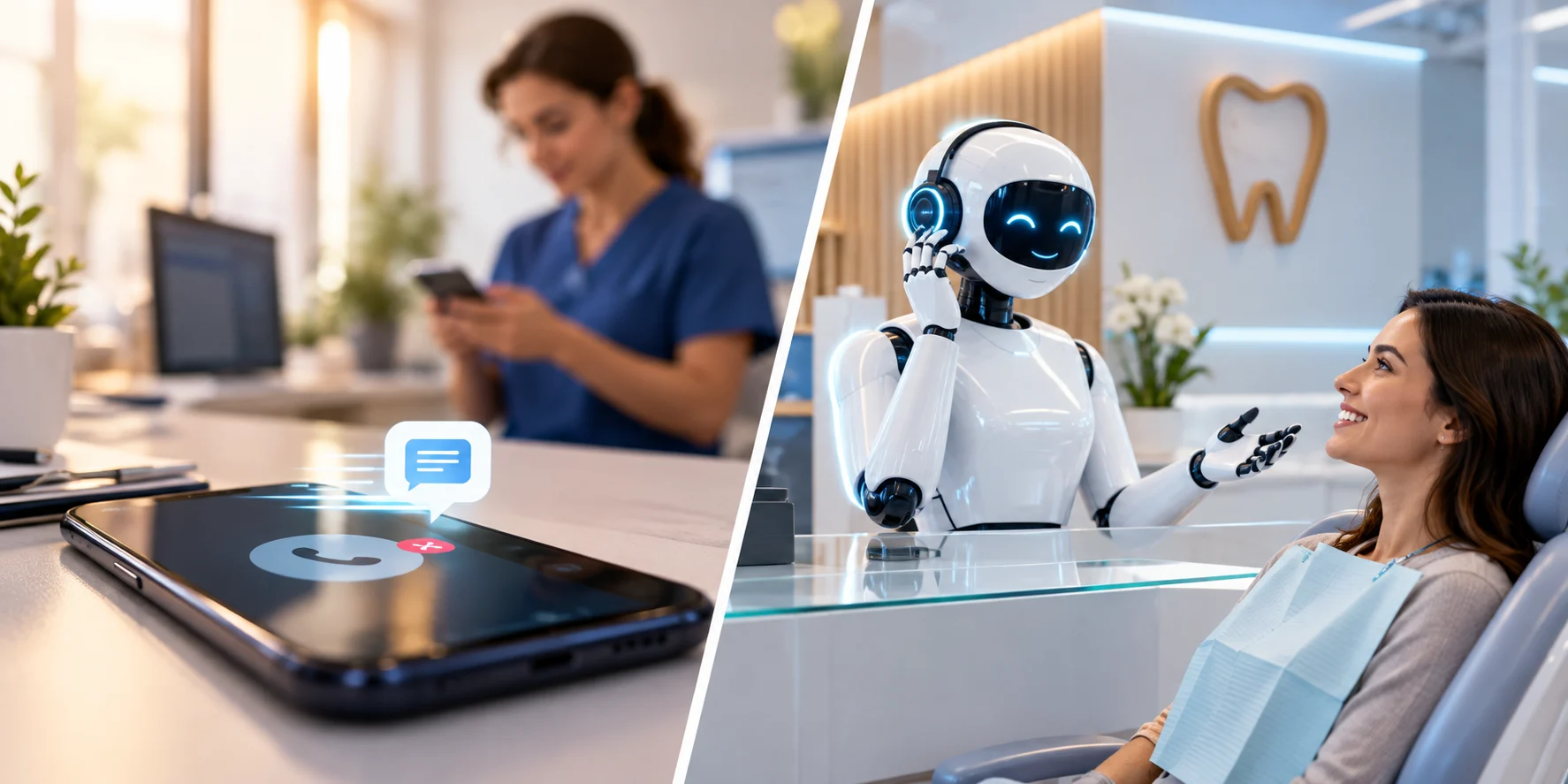
When your front desk is busy or unavailable, an AI voice assistant can answer routine calls and keep the patient from reaching a dead end. Depending on the system, it can handle common questions, support scheduling, and pass more complex conversations to your team.
Not every patient books after the first interaction. AI can help continue appropriate conversations through text or email, using the context of the previous interaction rather than sending the same generic follow-up to everyone.
AI can support appointment reminders, confirmations, cancellation follow-up, and rescheduling. This gives your practice a more consistent way to stay connected with patients without making your front desk manually manage every reminder.
Your CRM or PMS may contain patients who previously inquired about cosmetic treatment or received a treatment plan but were never scheduled. AI can help your team identify eligible patients and run relevant reactivation campaigns to reopen those conversations.
AI can also help with post-visit communication, including appropriate review requests. Instead of relying on your team to remember every time, the process can be triggered at the right stage of the patient journey.
The point of AI follow-up is not to make every patient interaction robotic. It is to take care of repetitive communication consistently, while your dental team remains available for the conversations that require clinical judgment, empathy, or a genuinely human touch.
Cosmetic dentistry marketing has a longer runway than a typical new-patient campaign. AI follow-up can help your practice make better use of that runway by supporting the patient journey after marketing has sparked interest.
For high-value cosmetic treatments, the first inquiry is often the beginning of a longer conversation. AI can provide immediate, treatment-specific information and help prospective patients understand what to expect next, keeping their research connected to your practice.
AI can bring useful context into the follow-up process, including the treatment a patient is exploring and the questions they have already asked. That gives your team a clearer picture of the conversation when it is time to step in and continue it.
Cosmetic patients often move at their own pace. AI can support the journey between initial interest and consultation by keeping communication relevant to where the patient is in their decision-making process, rather than treating every inquiry as a one-and-done interaction.
There is a difference between being available and being involved in every conversation. AI can take care of appropriate communication in the background, allowing your team to spend more of its time on consultations, treatment discussions, and patients who are ready for a deeper conversation.
The value of AI follow-up ultimately comes down to what happens after a marketing campaign generates interest. By supporting the patient journey beyond the initial inquiry, AI can help your practice turn more of that existing marketing attention into meaningful consultation opportunities.
If your cosmetic marketing is bringing in high-intent inquiries but your team cannot always respond, follow up, and re-engage every patient consistently, AI can fill those gaps without taking the human side out of cosmetic dentistry.
ConvertLens's Eva can handle voice conversations when your front desk is busy or unavailable, while Viola gives your website a 24/7 AI chat agent for patients who prefer to ask questions online. Eva can keep a missed or after-hours call from becoming a dead end. Viola can keep a website conversation moving when a patient is researching treatment and deciding what to do next.
The transition does not have to happen all at once. Start with routine inquiries, after-hours conversations, basic scheduling, or follow-up that your team already struggles to keep up with. Review how those conversations are handled, where patients are being handed back to your team, and what happens after the inquiry.
For cosmetic practices, that last part matters. A patient considering veneers, Invisalign, implants, or a smile makeover may need more than one interaction before they feel ready for a consultation. Eva and Viola can help keep those conversations alive while your dental team focuses on the moments that need genuine clinical knowledge, reassurance, and a human touch.


October 7, 2026
5 min
Missed-call text-back vs. AI receptionist for dental practices: what each handles, when each wins, and which recovers more booked appointments.
October 7, 2026
7 min
AI follow-up helps cosmetic dental practices respond faster, reduce no-shows, and convert more high-intent veneer and Invisalign leads into booked consultations.

September 30, 2026
8 min
Slow lead follow-up can silently drain your dental marketing budget. See where enquiries fall through the cracks and how faster response recovers lost patient value.
Sign Up Now & Someone from Our Team Will Be in Touch Shortly!
Use the form below to send us a message, and we’ll get back to you as soon as we can.
.webp)
Track every marketing dollar and optimize patient conversions with ConvertLens. Gain valuable insights from your campaigns, ensuring you never miss a potential patient. Maximize ROI and grow your practice effortlessly.
-p-500.webp)