November 17, 2026
8 min
A missed call recovery rate shows which callers actually become booked, attended patients, not just who got a callback. Here is how to measure it.
November 7, 2026
6 min
Dental call tracking goes beyond CallRail by connecting calls to your PMS, so you can see which campaigns actually turn into booked and treated patients.

Dental call tracking vs general call tracking: which one works better for your practice? It is an important question for dentists investing in digital marketing, and the answer depends on how well your tracking connects calls to actual patient outcomes. General call tracking tools, such as CallRail, help businesses understand which ads, keywords, and marketing channels generate phone calls. Dental call tracking goes a step further when it connects with your practice management system (PMS), helping you link marketing activity to appointments, new patients, and treatment revenue.
Phone calls are often a key part of a patient's journey, whether someone is enquiring about dental implants, booking a routine check-up, or asking about an emergency appointment. But counting calls alone does not tell you how many callers became patients or how much treatment those patients accepted. That is where PMS synchronisation matters, giving dental practices a clearer picture of which marketing efforts are bringing in patients and contributing to practice growth. Here we will look at how the two approaches compare, and why PMS synchronisation matters so much.
Dental call tracking helps you see where patient calls come from and whether your marketing brings in new enquiries. It can show you:
When connected to your practice management system (PMS), it can also help link marketing activity to appointments and treatment revenue.
General call tracking works across different types of businesses, helping them understand which marketing efforts get people to pick up the phone. Tools such as CallRail can show you which ads, keywords, or channels generate calls, when calls come in and how long they last, which calls are answered or missed, and what was discussed, using call recordings or transcripts where available.
Some tools also offer call summaries and follow-up features. However, knowing someone called your practice does not automatically tell you if they booked an appointment or went ahead with treatment. That information may sit in your practice management system (PMS).
General call tracking tells you which campaigns generate calls. Dental call tracking goes further, helping you see which calls turn into patients, treatment, and revenue. Here is what that means for your practice:
The key difference is this. You are not just counting calls. You are connecting marketing activity to patient bookings and treatment outcomes, so you can make better decisions about where your lead management and marketing budget goes.
Your practice management system (PMS) holds the details that matter most: patient appointments, treatment plans, production, and collections. But if your call tracking data sits somewhere else, connecting the dots between marketing spend and actual revenue gets a lot harder. Sync the two, and you can:
When your call tracking connects with your PMS, you can see which marketing campaigns are bringing in booked patients instead of just counting calls. And if treatment and revenue data are included, you can see which campaigns are actually bringing money into your practice.
When your call tracking connects with a PMS like Dentrix, Eaglesoft, or Open Dental, you can follow a caller's journey beyond that first phone call. You can see where the call came from, whether the person booked an appointment, and, if your setup supports it, how much treatment they went on to accept. This is part of why PMS integration is essential for dental marketing teams, not just a nice-to-have.
This can reveal things a call report alone might miss. A paid ad may bring in plenty of calls, for example, but fewer of those callers may show up or accept treatment. Knowing that helps you decide where to adjust your ad spend or how your team handles those enquiries.
There is one more thing to keep in mind, which is HIPAA compliance. Before connecting your systems, check how the provider handles patient information, call recordings and transcripts, and whether a Business Associate Agreement (BAA) is in place where required. Access controls and secure data handling matter too. The exact requirements depend on the tools you are using and how the integration works.
You can track how many calls your ads generate without connecting your call tracker to your PMS. But figuring out which calls turn into appointments, accepted treatment, and revenue takes more work. Without that connection, you may need to match call records with appointment data manually, which makes it harder to see which campaigns are bringing in patients and which are simply driving up call volume.
Connecting the two gives you a clearer basis for attributing results to the right campaigns and deciding where to spend your marketing budget, which campaigns need attention, and where your front desk could use support. Just keep in mind that tracking treatment revenue depends on the data your PMS integration can actually access. More calls do not always mean more business, and the value comes from knowing what happens after those calls.
Is dental call tracking better than CallRail for dental practices?
General call tracking tools like CallRail are useful for seeing which ads and keywords bring in calls across industries. A dental-specific approach builds on that by connecting those calls to your practice management system, so you can see which calls actually turned into booked and treated patients, not just answered calls.
Does dental call tracking replace tools like CallRail?
Not necessarily. Some practices use a general tool like CallRail for broad call attribution and layer PMS synchronisation on top through their marketing platform. What matters most is whether the tool you use can connect call data to appointment and treatment outcomes in your PMS.
Which practice management systems can sync with call tracking?
Many dental call tracking setups work with systems such as Dentrix, Eaglesoft, and Open Dental, though the exact capabilities depend on the integration involved. Confirm the specifics with your provider before relying on them for reporting.
Is PMS-synced call tracking HIPAA compliant?
It depends on how the provider handles patient information, call recordings, and transcripts, and whether a Business Associate Agreement is in place. Review access controls and data handling with any vendor before connecting call tracking to your PMS.



November 17, 2026
8 min
A missed call recovery rate shows which callers actually become booked, attended patients, not just who got a callback. Here is how to measure it.

November 17, 2026
12 min
A practice can have strong production and still run thin. See how production, collections, and profit differ, and which number to watch when.
November 7, 2026
7 min
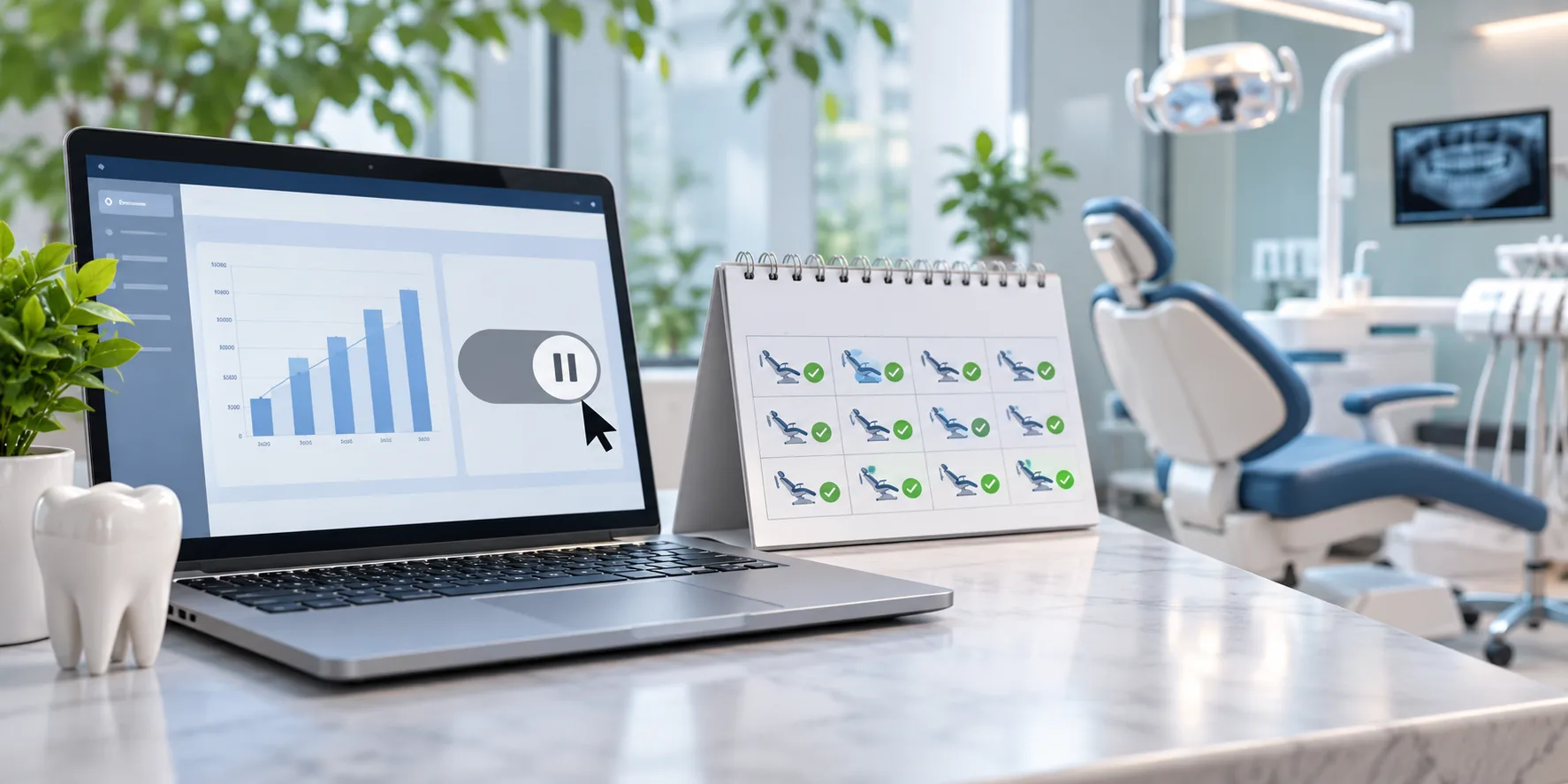
How DSOs use capacity-based marketing to pause or redirect ad spend when a location is full, so budget reaches practices with room to take new patients.
Sign Up Now & Someone from Our Team Will Be in Touch Shortly!
Use the form below to send us a message, and we’ll get back to you as soon as we can.

Track every marketing dollar and optimize patient conversions with ConvertLens. Gain valuable insights from your campaigns, ensuring you never miss a potential patient. Maximize ROI and grow your practice effortlessly.
